Markets rarely move on perfect news.
They move on uncertainty.
Right now, geopolitical tension around Greenland is back in the spotlight. Discussions about strategic control, trade pressure, and global influence are creating discomfort across financial markets. When uncertainty rises, prices often react faster than fundamentals.
If you are building long-term wealth in the Netherlands—whether through FIRE or a more traditional investing approach—days like this can feel stressful. But they can also be the moments when disciplined investors quietly gain an edge.
Why geopolitical tension creates opportunity
When global tension increases, markets usually behave in predictable ways:
Prices become volatile, often overshooting in both directions
Fear accelerates selling, even when nothing structural has changed
Solid assets temporarily trade at lower prices
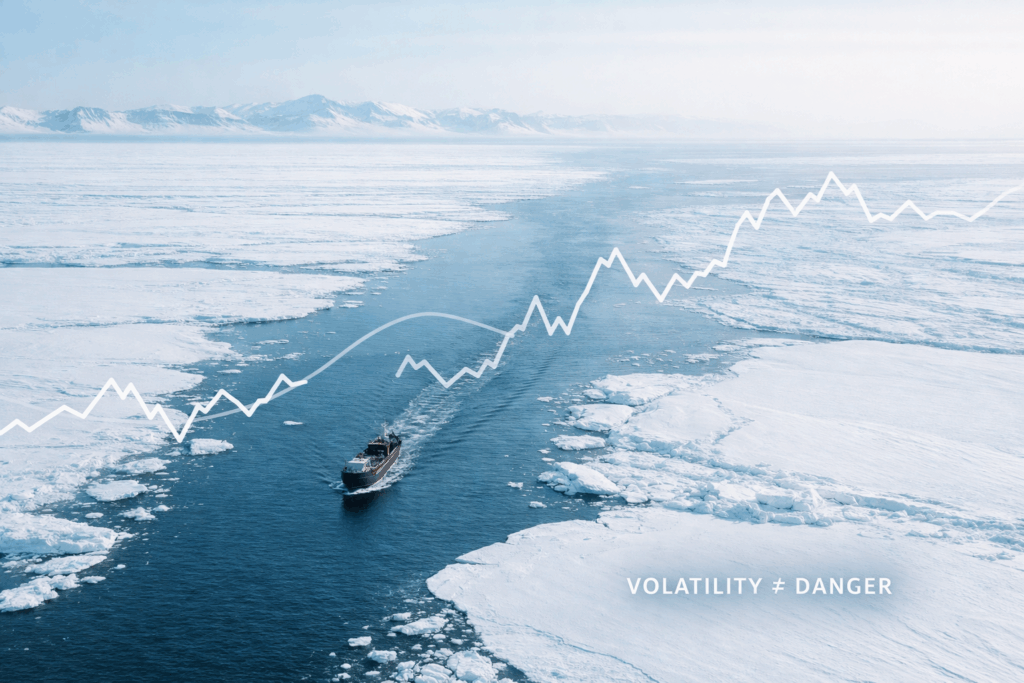
Volatility is not inherently bad. It simply reflects emotion. And emotion, in markets, often creates opportunity.
Why Greenland matters more than it seems
Greenland is no longer just a remote territory on the map. It has become symbolically important due to its geographic position, its role in Arctic routes, and its connection to global supply chains and strategic interests.
From a market perspective, the real impact is indirect:
uncertainty around future trade relationships
pressure on European confidence and exporters
short-term capital rotation into perceived “safer” assets
This is a classic example of short-term noise distorting long-term value.
The FIRE mindset: no prediction required
Most investors lose money not because they are wrong about the world—but because they react emotionally.
A FIRE-oriented investor focuses on boring, repeatable actions:
maintaining a cash buffer
investing consistently over time
staying globally diversified
avoiding unnecessary leverage
You don’t need to predict what will happen with Greenland.
You only need to follow your plan.
A simple playbook for days like today
1) Zoom out
If your investment horizon is 10, 20, or 30 years, a volatile week barely registers.
Ask yourself:
Has my income changed?
Has my time horizon changed?
Has my personal risk tolerance changed?
If not, your strategy probably doesn’t need adjustment either.
2) Use volatility calmly
Volatility can be useful if you already have structure:
continue regular investments
rebalance if allocations drift
deploy limited extra cash only if it fits your rules
No rushing. No hero moves.
3) Forget the “perfect timing” myth
The perfect entry point is obvious only in hindsight.
Waiting for total clarity usually means buying at higher prices. A simple approach works better:
invest on a fixed schedule
allow small additional buys during meaningful pullbacks
Consistency beats precision.
4) Manage behavior, not headlines
Your biggest risk today is not geopolitics.
It’s:
selling after fear peaks
buying after excitement peaks
constantly changing direction
Long-term wealth in the Netherlands is built through patience, not prediction.
What I would do (example, not advice)
A simple DutchFireDream-style framework:
keep 3–6 months of expenses in cash
invest monthly into diversified global equity exposure
maintain a small stabilizing allocation if it helps you sleep
rebalance once or twice per year
If markets are shaky and your income is stable, sticking to the plan today may quietly improve long-term results.
Bottom line
Greenland tensions may dominate headlines for now, but your financial future is shaped by habits, not news cycles.
invest consistently
stay diversified
remain calm when others panic
For long-term investors, days like today can be good days—not because uncertainty is pleasant, but because discipline tends to be rewarded when emotions run high.
Disclaimer: This article is for educational purposes only and does not constitute financial advice. Always consider your personal situation and risk tolerance.